Single-Ply Roof Replacement Options: TPO, EPDM, and PVC
People seeking single-ply roof replacement options like TPO, EPDM, and PVC can rely on local contractors to help choose the best material and handle the installation.
Property owners exploring options for single-ply roof replacement often find themselves evaluating different materials like TPO, EPDM, and PVC. These options are popular choices for commercial and residential buildings alike, offering durability and flexibility that can help extend the life of a roof. Understanding the practical differences between these materials can help ensure that decisions align with specific property needs, whether it’s resistance to weather, ease of installation, or maintenance considerations. Local contractors who specialize in single-ply roof replacement services can provide valuable insights into which material best suits a property’s unique requirements, making it easier to navigate the choices and plan for a reliable, long-lasting roof.
For property owners in the area, exploring single-ply roof replacement options is a practical step toward safeguarding their investments. Whether replacing an aging roof or upgrading for better performance, working with experienced local service providers can help clarify the benefits and limitations of TPO, EPDM, and PVC. These professionals can assist in evaluating factors like climate conditions, building structure, and budget priorities to recommend the most suitable material. Keep reading to learn more about these options and how local experts can support the process of selecting and installing a new roof that meets both functional and durability needs.
- TPO roofing - often chosen for large commercial buildings needing durable, heat-welded seams, with local contractors specializing in seamless installation.
- EPDM roofing - suitable for roofs requiring flexibility and weather resistance, with service providers experienced in rubber membrane replacement.
- PVC roofing - ideal for areas demanding chemical resistance and longevity, with local pros skilled in precise membrane fitting.
- Single-ply roof replacement options: TPO, EPDM, and PVC - each suited to different building needs, with local contractors able to recommend and install the best material for specific situations.
- Choosing the right single-ply roofing - involves assessing factors like climate, building type, and budget, with local service providers offering tailored guidance.
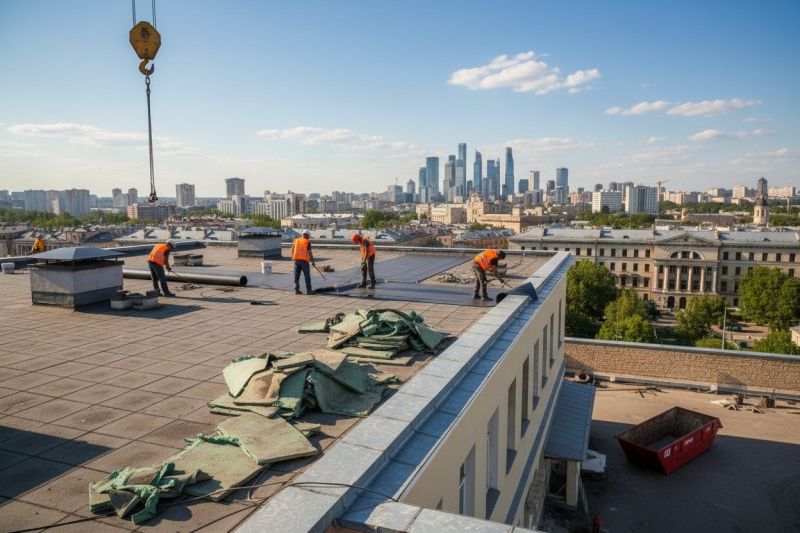
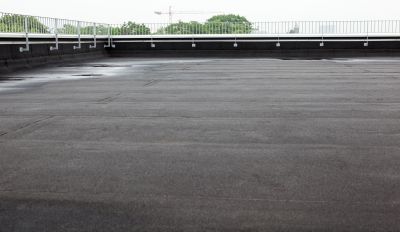
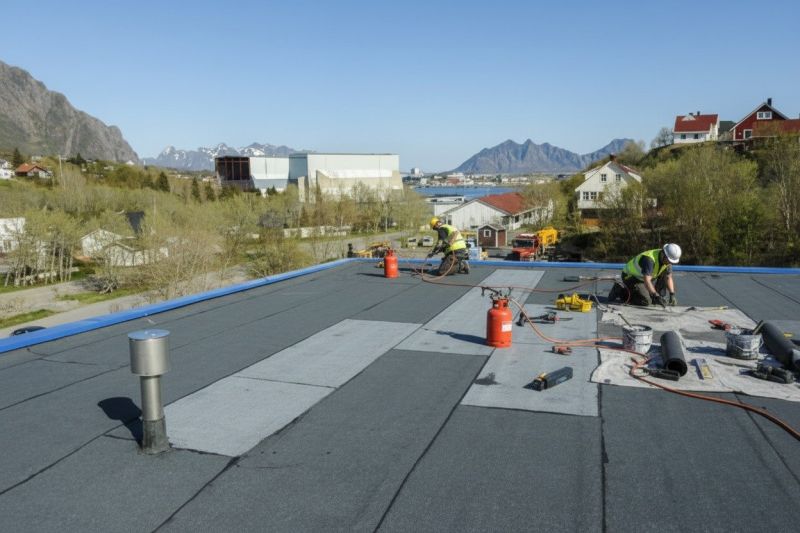
When homeowners search for information about single-ply roof replacement options: TPO, EPDM, and PVC, they are typically exploring solutions for upgrading or replacing an existing flat or low-slope roof. These searches often come from property owners who want to understand the differences between various roofing materials to make informed decisions about durability, cost, and suitability for their building. The focus is usually on commercial properties, industrial facilities, or residential buildings with flat roofs, where traditional shingle or tile options are less practical. Such projects often involve replacing aging roofs that may have experienced leaks, weather damage, or simply reached the end of their lifespan, prompting property owners to seek reliable, long-lasting membrane solutions.
These roof replacement projects are frequently driven by the need to improve energy efficiency, prevent leaks, or meet building code requirements. Property owners may also be planning renovations that include adding insulation or upgrading the roof’s overall performance. The choice of material-whether TPO, EPDM, or PVC-can significantly impact the roof’s lifespan, resistance to weathering, and maintenance needs. Homeowners or building managers often look for guidance on which material best aligns with their property’s specific conditions, such as exposure to sunlight, temperature fluctuations, or chemical exposure. Local contractors who specialize in single-ply roof replacements can assess these factors and recommend the most suitable membrane type for each project.
The types of properties that typically involve single-ply roof replacement projects include commercial warehouses, office buildings, retail centers, apartment complexes, and industrial facilities. These structures commonly feature flat or low-slope roofs, which are well-suited for membrane roofing systems. Residential properties with flat roofs, such as some modern-style homes or multi-family buildings, may also require this type of replacement. Property owners often seek out local service providers who understand the unique demands of these structures and can provide expert installation and material selection. Properly replacing a single-ply roof requires knowledge of the building’s structure, climate considerations, and the specific characteristics of TPO, EPDM, and PVC membranes.
Connecting with local pros who specialize in single-ply roof replacement can simplify the process of choosing the right material. These service providers can evaluate the existing roof, discuss the advantages and disadvantages of each membrane option, and help determine the best fit for the property’s needs. Whether the priority is energy efficiency, durability, or cost, experienced contractors can guide property owners through the decision-making process. They also handle the installation, ensuring that the chosen membrane is properly installed to maximize its lifespan and performance. For property owners considering a roof replacement, understanding these options and working with knowledgeable local contractors can lead to a more informed and successful project outcome.
Flat roof replacement projects - professionals experienced in single-ply roofing can apply similar installation techniques and planning processes for TPO, EPDM, and PVC membranes on flat roofs.
Commercial roofing upgrades - local contractors familiar with single-ply options often handle large-scale commercial roof replacements using materials like TPO, EPDM, or PVC to improve durability and performance.
Roof membrane repairs - repairing or patching existing single-ply roofs requires similar skills and tools used in full replacements of TPO, EPDM, and PVC systems.
Roof insulation projects - installing or upgrading insulation beneath single-ply membranes involves planning and techniques that align with the requirements of TPO, EPDM, and PVC roof systems.
Storm damage roof restoration - contractors experienced in single-ply membrane systems can handle repairs and replacements following storm-related damage on roofs with TPO, EPDM, or PVC membranes.
Roof deck preparation services - ensuring a proper substrate for single-ply membranes involves similar planning and surface preparation skills used in TPO, EPDM, and PVC roof installations.
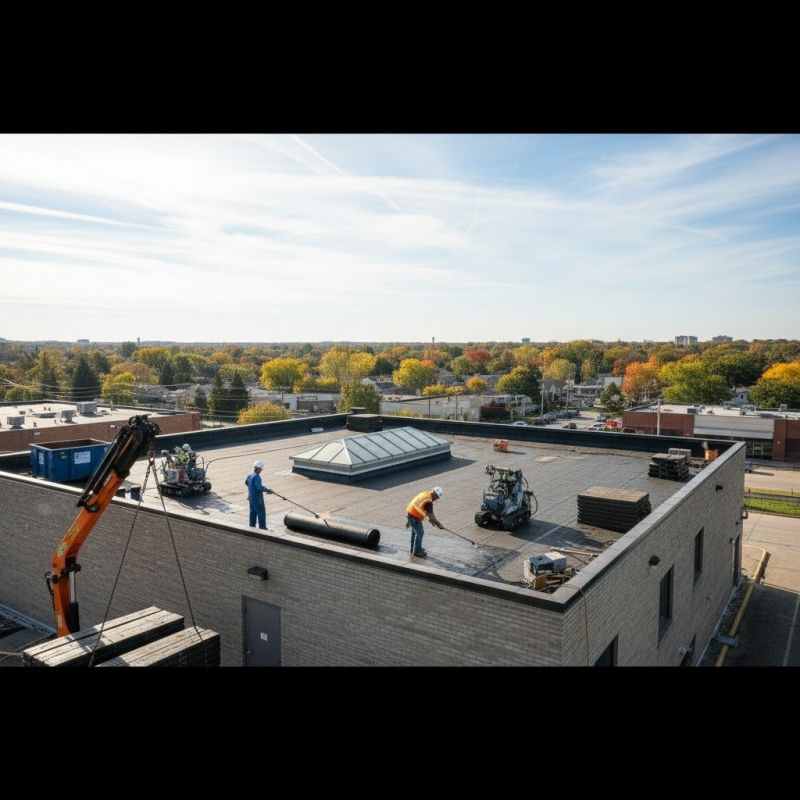
When evaluating service providers for a single-ply roof replacement, it is important for homeowners to consider the contractor’s experience with similar projects. A contractor who has handled multiple replacements involving TPO, EPDM, and PVC membranes can offer insights into the nuances of each material, including installation challenges and best practices. This experience often translates into a smoother process, better quality results, and fewer unforeseen issues. Homeowners should inquire about the types of projects a contractor has completed, ensuring they have a solid track record with the specific roofing options being considered.
Clear written expectations are essential when selecting a local contractor for a single-ply roof replacement. A reputable service provider should be able to outline the scope of work, the materials they recommend, and the projected outcomes in a straightforward manner. This helps prevent misunderstandings and ensures that both parties are aligned on the project’s goals. Homeowners are encouraged to ask for detailed proposals or written estimates that specify the work involved, the materials to be used, and any warranties or guarantees offered, providing a clear basis for comparison.
Reputable references and effective communication are key indicators of a trustworthy contractor. Homeowners should seek out local service providers with positive feedback from past clients, particularly those who have completed similar projects. Good communication throughout the process-prompt responses to questions, transparency about procedures, and willingness to address concerns-can greatly influence the overall experience. Connecting with contractors who prioritize clear, ongoing dialogue helps ensure that expectations are managed and that the project progresses smoothly from start to finish.
Property owners often search for single-ply roof replacement options: TPO, EPDM, and PVC when they are planning practical projects around their homes and businesses. Local pros provide Single-Ply Roof Replacement services for everyday jobs and straightforward project options.
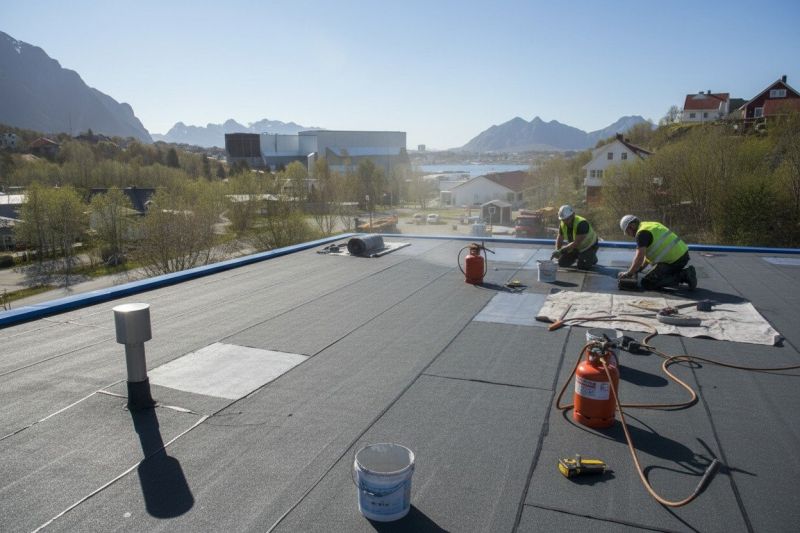
Homeowners considering single-ply roof replacement options like TPO, EPDM, and PVC often seek straightforward solutions to extend the life of their roofs or improve energy efficiency. These materials are popular choices for commercial and residential properties due to their durability and versatility. Property owners might look up this topic after noticing signs of wear, leaks, or aging roofing materials, or when planning upgrades to enhance the property's overall value. Local contractors specializing in single-ply roofing can help evaluate the existing roof, recommend suitable materials, and handle the installation process to ensure a reliable and long-lasting result.
Understanding the differences between TPO, EPDM, and PVC roofing can help property owners make informed decisions based on their specific needs and budget. TPO is often chosen for its affordability and heat-reflective properties, while EPDM is valued for its flexibility and proven track record. PVC roofing, on the other hand, is known for its resistance to chemicals and extreme weather. When considering a roof replacement, property owners can reach out to local service providers who are experienced with these materials to explore the best options for their building, ensuring the project aligns with their goals for durability, performance, and longevity.
What are the main differences between TPO, EPDM, and PVC for single-ply roof replacements? TPO, EPDM, and PVC are different types of single-ply roofing membranes, each with unique properties. TPO is known for its reflective surface and energy efficiency, EPDM offers flexibility and durability, and PVC provides chemical resistance and seam strength. Local contractors can help determine which option best suits specific building needs.
How do I decide which single-ply roofing material is suitable for my roof? The choice depends on factors like climate, building type, and desired longevity. Local service providers can assess your roof's conditions and recommend the most appropriate single-ply roof replacement option: TPO, EPDM, or PVC.
Are there specific advantages of choosing TPO, EPDM, or PVC for a roof replacement? Yes, each material offers distinct benefits: TPO is energy-efficient, EPDM is cost-effective and flexible, and PVC is resistant to chemicals and punctures. Local pros can explain these advantages in relation to your property's requirements.
Can local contractors install all three types of single-ply roofing materials? Most experienced roof replacement service providers are capable of installing TPO, EPDM, and PVC membranes, allowing for professional guidance on the best choice for your roof's specific needs.
What should I consider when choosing a single-ply roof replacement option from local pros? Consider factors like durability, compatibility with existing roofing systems, and environmental conditions. Local contractors can help evaluate these aspects and recommend the most suitable single-ply roofing material for your project.
Evaluate material durability - property owners can consider which single-ply roof options: TPO, EPDM, and PVC best withstand local weather conditions when planning a roof replacement project with local contractors.
Assess energy efficiency benefits - choosing among TPO, EPDM, and PVC can influence a building’s energy costs, making it useful to explore options with local service providers for optimal insulation and reflectivity.
Match material to roof design - property owners might select specific single-ply roofing options based on their roof’s shape and structure, with local pros helping determine the most compatible choice.
Explore installation techniques - understanding different application methods for TPO, EPDM, and PVC can help property owners work with local contractors to ensure proper and lasting roof replacement.
If you are thinking about single-ply roof replacement options: TPO, EPDM, and PVC for a property, this guide is meant to help you understand this topic, the typical project types, and how different options might fit your plans.
When you are ready, you can use the quote form on this page to share a few details about your project. From there, local pros can review the basics and follow up with options that match what you have in mind.